Office Flooring Solutions for Modern Workspaces
November 18, 2025
Industrial Flooring: Meeting Heavy-Duty Requirements
January 13, 2026
When designing a retail store, every detail contributes to how customers perceive your brand. From lighting to layout, each element shapes the shopping experience. One often overlooked factor is flooring. Understanding how flooring impacts retail environments can help store owners and interior designers create spaces that attract customers, guide foot traffic, and even boost sales. The right flooring can set the tone for your store, create a comfortable environment, and reinforce your brand identity.
Flooring is more than just a surface to walk on. It has a psychological impact on customers, influences safety and maintenance costs, and supports operational efficiency. Whether you are redesigning an existing store or opening a new location, investing time in choosing the right flooring pays dividends in customer satisfaction and loyalty.
How Does Flooring Impact Retail Environments?
Flooring plays a critical role in the customer experience and the overall success of a retail space. Its impact can be broken down into several key areas: durability, design appeal, safety, maintenance, and brand alignment.
Foot Traffic Durability
Retail stores experience high foot traffic, especially in entrances, aisles, and checkout areas. Floors in these zones must endure daily wear without losing their appearance or functionality. Materials like commercial-grade vinyl, rubber, epoxy, or laminate tiles provide long-lasting durability while remaining attractive. Durable flooring ensures that your store maintains a polished, professional look, reducing the need for frequent repairs or replacement.
Investing in high-quality, durable flooring also supports efficiency. Staff spend less time addressing worn areas, and your store avoids disruptions caused by repairs. Customers notice well-maintained floors, and this subtly reinforces trust in your brand’s attention to detail.
Design Appeal
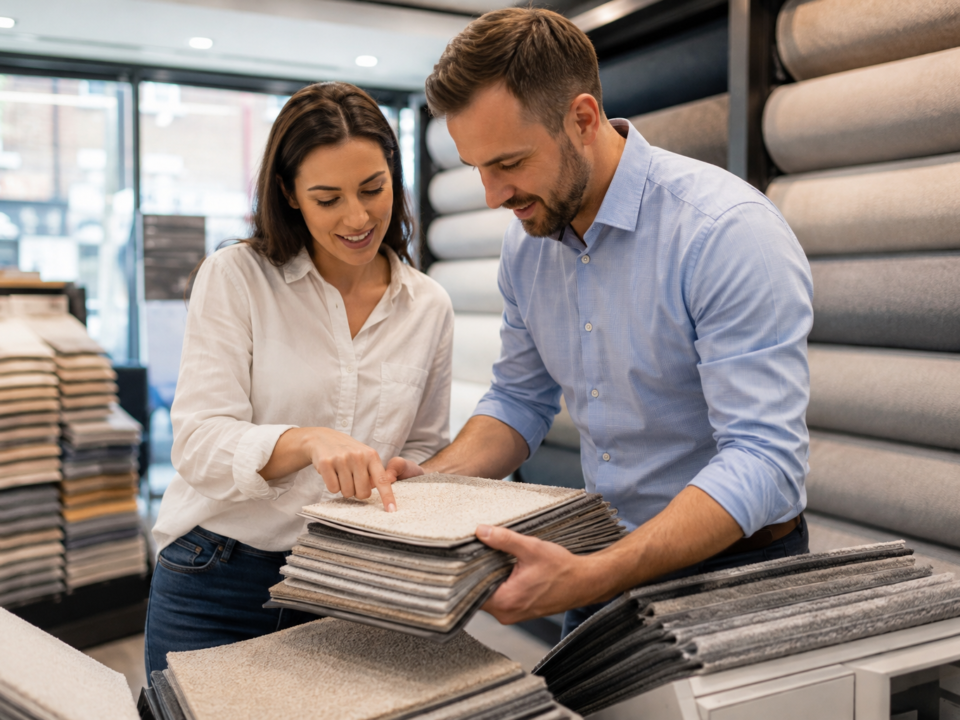
The visual appeal of your flooring significantly influences customer perception. It sets the tone for the store, guides the flow of traffic, and helps highlight key product areas. Flooring colors, patterns, and textures can create zones for different product types or emphasize promotional areas.
For example, lighter-colored floors can make smaller spaces feel more open, while darker tones convey warmth and sophistication. Textured or patterned floors can be used to guide customers naturally toward certain displays. Well-thought-out flooring enhances the design appeal of your store and encourages customers to spend more time browsing, which often leads to increased sales.
Safety
Safety is a non-negotiable factor in retail environments. Slips, trips, and falls are among the most common accidents in stores and can lead to serious injuries and legal consequences. Choosing flooring with slip-resistant surfaces or textured finishes can prevent accidents and protect both customers and staff.
Proper flooring also ensures accessibility for all shoppers, including those with mobility challenges. Prioritizing safety not only reduces liability risks but also enhances customer confidence. When shoppers feel secure navigating your store, they are more likely to return.
Maintenance
Maintaining a clean and appealing store is easier with the right flooring. Materials such as vinyl, laminate flooring, polished concrete, and epoxy are low-maintenance, resistant to stains, and able to withstand regular cleaning routines. Easy-to-maintain floors reduce operational costs and staff workload while keeping your store inviting.
A well-maintained floor also communicates professionalism. Customers subconsciously associate cleanliness and attention to detail with quality and reliability. Flooring that simplifies maintenance allows store staff to focus on customer service instead of constant cleaning, another reason many businesses rely on a trusted flooring company to achieve the right balance of durability and appearance.
Brand Alignment
Every brand has a personality, and flooring can reinforce that identity. Luxury retailers may opt for high-end hardwood or polished stone to convey sophistication, while casual or modern brands may choose sleek vinyl or laminate to create a contemporary, approachable vibe. Flooring that aligns with your brand strengthens your image, builds trust, and enhances the overall customer experience.
The choice of flooring materials and design should complement your store’s color scheme, layout, and lighting. When customers step onto a floor that resonates with your brand, the entire shopping experience feels cohesive, leaving a lasting impression.
Choosing the Right Flooring for Your Retail Store
Selecting the right flooring requires balancing practicality with aesthetics. Retail store owners should evaluate several factors before making a decision:
- Durability: Ensure the floor can withstand high foot traffic without damage.
- Style: Choose colors, patterns, and textures that reflect your brand and interior design.
- Safety: Prioritize non-slip, accessible materials to protect customers and staff.
- Maintenance: Opt for floors that are easy to clean and resistant to stains or wear.
- Cost: Consider the initial investment versus long-term performance and upkeep.
Carefully considering these factors helps you create a retail space that is both functional and visually appealing.
Flooring Trends in Retail Spaces
Modern retail spaces are embracing flooring trends that focus on durability, customer engagement, and sustainability. Staying informed about these trends ensures your store feels contemporary and inviting.
- Sustainable Flooring: Eco-friendly materials such as recycled vinyl, bamboo, or cork appeal to environmentally conscious customers and support sustainable business practices.
- Mixed Materials: Combining materials like wood, tile, or carpet can define specific areas of your store, create visual interest, and direct customer flow.
- Interactive Surfaces: Floors with integrated wayfinding elements or tactile patterns enhance navigation and engagement, especially in larger stores.
- Luxury Finishes: Textured or patterned floors add a sense of exclusivity, helping premium stores stand out and create memorable experiences.
These trends demonstrate that flooring is not only functional but can also be an integral part of the shopping experience and brand storytelling.
How Flooring Influences Customer Behavior
The right flooring installation can subtly shape customer behavior. Comfortable and visually appealing surfaces encourage customers to linger, browse, and explore more areas of the store. Durable, well-maintained floors create confidence in the store environment, reducing distractions caused by uneven or damaged flooring.
Every step a customer takes is part of their overall experience. Floors that align with your brand, are easy to navigate, and feel safe encourage repeat visits and positively influence purchasing decisions. Investing in flooring that prioritizes both function and aesthetics pays off in increased sales and customer satisfaction.
Conclusion
Flooring is a foundational element in retail store design. From foot traffic durability and design appeal to safety, maintenance, and brand alignment, the right flooring enhances customer experience, encourages longer visits, and supports sales growth. A thoughtfully chosen floor creates a welcoming, functional, and visually appealing environment that leaves a positive impression on every customer.
Ready to elevate your retail space with flooring that combines durability, style, and safety? QC Commercial Flooring offers a wide range of high-quality commercial flooring solutions designed to meet the unique needs of retail stores. Explore our collection today and discover the perfect flooring to enhance your store’s appearance, improve customer experience, and reflect your brand identity.
FAQs About Retail Flooring
How important is flooring in a retail environment?
Flooring is essential for safety, comfort, customer perception, and guiding foot traffic. It also communicates your brand identity and affects overall sales.
What types of flooring are best for high-traffic retail areas?
Commercial-grade vinyl, rubber, laminate, and epoxy are excellent choices due to their durability, low maintenance, and ability to withstand wear.
How does flooring impact safety in stores?
Slip-resistant, textured, or properly coated floors minimize the risk of accidents. Accessibility-friendly flooring also ensures a safe shopping experience for all customers.
Can flooring influence brand perception?
Yes. Flooring that matches your store’s aesthetic reinforces professionalism, quality, and trust, creating a lasting impression on shoppers.
What maintenance considerations should I keep in mind?
Select flooring that is easy to clean, stain-resistant, and able to handle daily maintenance routines without damage.