Top Trends in Commercial Flooring for 2025
July 24, 2025
Comparing Vinyl vs. Laminate Flooring for Commercial Use
July 28, 2025
Safety is a critical aspect of any commercial environment, whether you’re managing an office, healthcare facility, restaurant, or factory. With the constant foot traffic, spills, and various risks associated with high-activity areas, safety flooring becomes an essential component for maintaining a safe and compliant space. But why is safety flooring important in commercial areas? Let’s explore the key benefits of safety flooring, and how it helps safeguard both employees and customers.
Why is Safety Flooring Important in Commercial Areas?
When it comes to running a business, providing a safe working environment is not just a best practice—it’s a legal requirement. Safety flooring plays a crucial role in meeting safety standards, preventing accidents, and minimizing risk. Commercial spaces, especially those in sectors like food service, healthcare, and hospitality, face unique challenges. Wet surfaces, high foot traffic, and heavy equipment usage all increase the likelihood of slip, trip, and fall accidents.
For instance, businesses in wet areas such as kitchens, bathrooms, and medical facilities are particularly prone to accidents caused by slippery floors. Installing the right safety flooring helps mitigate these risks, ensuring that employees, customers, and visitors stay safe. Moreover, safety flooring helps businesses meet health and safety compliance requirements, keeping them in line with national and international regulations.
The Key Benefits of Safety Flooring in Commercial Spaces
Slip-Resistant Flooring
One of the most crucial aspects of commercial flooring is slip-resistant flooring. High-traffic areas like entrances, hallways, and especially wet areas are at greater risk of accidents. Flooring materials designed to provide friction and grip are essential to reduce the risk of falls. This is particularly important for businesses such as hospitals, restaurants, and gyms, where employees or customers might face slippery conditions due to water or grease.
Slip-resistant flooring offers peace of mind by ensuring that surfaces are not hazardous, even in wet or oily environments. By using high-quality slip-resistant flooring, commercial businesses not only prevent accidents but also show that they care about the well-being of everyone within their premises.
Enhanced Employee Well-Being and Productivity
Safety flooring isn’t just about accident prevention; it’s also about ensuring the health and well-being of employees. Hard and uncomfortable flooring can lead to fatigue, discomfort, and musculoskeletal issues over time. This can result in lower productivity and higher absenteeism.
By installing ergonomic safety flooring, businesses create a more comfortable work environment for their staff. Soft, cushioned, or shock-absorbing flooring materials can reduce strain on workers’ feet, knees, and backs, especially in high-demand industries where employees spend long hours standing. By improving employee comfort, safety flooring ultimately enhances productivity and job satisfaction.
Compliance with Health and Safety Regulations
In many industries, compliance with health and safety regulations is a legal requirement. Flooring plays a significant role in meeting these standards. For example, in healthcare settings, flooring must be hygienic, non-toxic, and easy to clean to prevent the spread of infections. Similarly, in industrial and food service sectors, flooring must meet specific safety standards to minimize the risk of accidents.
By investing in safety flooring that adheres to the required safety standards and regulations, businesses can avoid costly penalties and ensure their spaces are safe for employees and customers. OSHA, HSE, and local regulations may all require businesses to implement safe flooring systems, so it’s important to choose flooring that is compliant with these regulations.
Types of Safety Flooring for Different Commercial Environments
Wet Area Flooring
In environments that deal with water, liquids, or moisture regularly, wet area flooring is crucial. Areas like kitchens, bathrooms, and hospitals face a higher risk of slips due to water or other liquids on the floor. Wet area flooring is designed to resist moisture, providing a slip-resistant surface while preventing water from making the area hazardous.
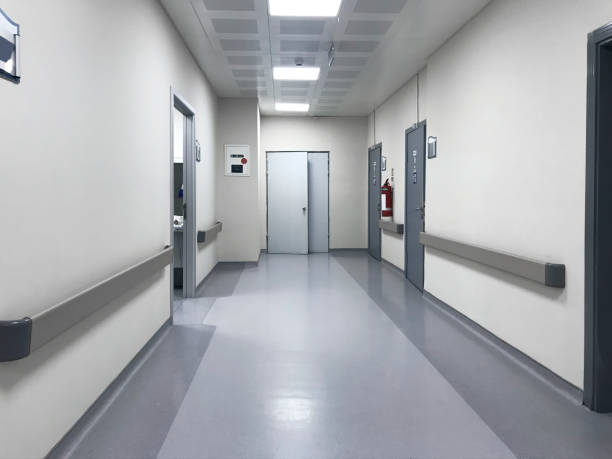
For example, wet area flooring in healthcare settings not only reduces slip risk but also allows for easier cleaning, minimizing the spread of contaminants. Choosing flooring materials like vinyl, rubber, or textured tiles ensures that water doesn’t accumulate and cause danger.
If you are looking for wet area flooring solutions, visit carpet shops in Kettering for a variety of options that ensure safety and practicality.
Hygienic Flooring for Sensitive Environments
For industries that prioritize cleanliness, such as hospitals, food manufacturing, and laboratories, hygienic flooring is non-negotiable. In these environments, floors need to be resistant to bacteria, mold, and fungi to maintain health and safety.
Hygienic flooring is specifically designed for easy cleaning and disinfection. It ensures that contaminants are kept to a minimum, and there is a lower risk of infection or contamination. Businesses in Luton or nearby areas can find high-quality hygienic flooring solutions by visiting carpet shops in Luton.
How Safety Flooring Contributes to Health and Safety Compliance
Complying with health and safety regulations is essential for businesses operating in high-risk industries. Safety flooring is a critical component in meeting these standards, particularly for businesses that deal with wet, dirty, or hazardous environments.
- In healthcare facilities, flooring needs to be resistant to bacteria and chemicals.
- In restaurants or kitchens, flooring must withstand heavy traffic and frequent cleaning without compromising safety.
- Industrial settings may require anti-slip flooring to ensure workers’ safety in factory settings.
By ensuring that your flooring meets the necessary compliance standards, you can prevent safety violations and create a safer environment. Businesses can find compliant flooring solutions by consulting trusted experts and visiting carpet shops in Milton Keynes for guidance on flooring that meets industry standards.
Cost-Effectiveness of Safety Flooring in the Long Run
While the upfront cost of safety flooring may seem higher than traditional flooring options, the long-term savings make it a wise investment. Safety flooring reduces the likelihood of workplace accidents, which can lead to costly medical expenses, legal fees, and insurance premiums. Furthermore, the durability of safety flooring ensures that it will last longer, requiring less frequent replacements and maintenance.
By reducing the risk of injury and complying with regulations, businesses can avoid significant financial losses in the future. Therefore, the cost-effectiveness of safety flooring becomes apparent when considering the potential expenses from accidents and non-compliance.
Conclusion: Investing in Safety Flooring for a Safer, Compliant Workplace
In conclusion, safety flooring is an essential investment for businesses aiming to maintain a safe, compliant, and productive environment. Whether you’re preventing slip accidents, meeting health and safety regulations, or improving employee comfort, the benefits of safety flooring are clear. By choosing the right flooring, businesses can protect their workforce, reduce liability, and ultimately enhance their bottom line.
If you are considering upgrading your commercial space, remember that investing in safety flooring will not only improve the well-being of your employees and customers but also ensure your business complies with industry regulations.
FAQ’s
What are the different types of safety flooring?
A: The most common types of safety flooring include slip-resistant, wet area, and hygienic flooring. These are designed for specific environments such as kitchens, bathrooms, hospitals, or industrial sites.
How does safety flooring improve compliance with health and safety regulations?
A: Safety flooring helps businesses comply with regulations like OSHA and HSE by reducing the risk of accidents and ensuring that floors are easy to clean and maintain, preventing the spread of bacteria.
Can safety flooring reduce workplace accidents?
A: Yes, safety flooring significantly reduces the likelihood of slips, trips, and falls by providing a slip-resistant surface, especially in high-traffic or wet areas.
How do I know which safety flooring is best for my commercial space?
A: The best safety flooring for your space depends on the environment. For instance, wet area flooring is ideal for kitchens or bathrooms, while hygienic flooring is necessary for healthcare or food industries. A flooring expert can help you select the best option based on your specific needs.