Cost-Effective Flooring Solutions for Startups and Small Businesses
September 23, 2025
Durable Flooring Choices for Educational Institutions
October 9, 2025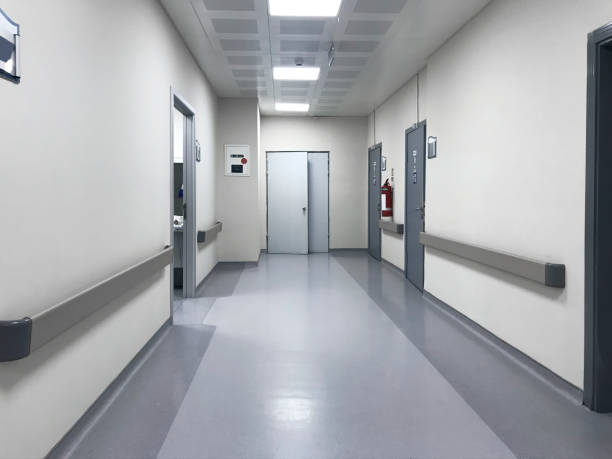
Flooring in healthcare facilities is more than just a design choice. It plays a vital role in hygiene, safety, and comfort. Hospitals and clinics need flooring that supports infection control, reduces accidents, and helps patients feel at ease. Selecting the right flooring is an essential part of creating a safe and healing environment.
Healthcare flooring must handle high foot traffic, heavy medical equipment, and constant cleaning. The wrong choice can lead to costly replacements or even safety risks. This is why administrators and planners should understand all available options before making decisions.
What Flooring is Suitable for Hospitals and Clinics?
When planning a hospital or clinic, the question often asked is: What flooring is suitable for hospitals and clinics? The answer depends on hygiene, durability, safety, and comfort. Healthcare flooring must meet strict standards because it affects both staff and patients. Unlike commercial or residential settings, healthcare facilities cannot compromise on safety or cleanliness. Choosing the right flooring helps prevent infections, reduces risks of slips, and creates a calm environment for recovery.
Flooring in healthcare settings must also withstand constant use. Wheelchairs, trolleys, and medical equipment move across surfaces daily. Floors must be durable enough to resist wear and tear without losing their hygienic qualities.
Hygiene and Cleanliness in Healthcare Flooring
One of the top priorities in hospitals and clinics is infection control. Flooring must be hygienic and easy to clean. Surfaces that reduce bacteria growth are a must. Antimicrobial flooring helps stop the spread of harmful germs.
Vinyl and resin flooring are great examples of hygienic options. They create smooth, non-porous surfaces, making cleaning simple and effective. Daily cleaning and disinfection are easier on these types of floors. With healthcare flooring, every detail matters because it can help prevent cross-contamination. Flooring services for these materials ensure proper installation and maintenance, contributing to the overall hygiene and durability of the space.
Some healthcare flooring options also include built-in antimicrobial treatments. These treatments add an extra layer of protection against bacteria and fungi. This helps reduce the risk of healthcare-associated infections, which are a major concern for hospitals worldwide.
Safety First: Slip-Resistant Flooring Solutions
Safety is another major factor in healthcare flooring. Hospitals see a constant flow of staff, patients, and visitors. Slip-resistant flooring reduces accidents in areas like corridors, waiting rooms, and treatment areas. Rubber flooring, for example, provides excellent grip underfoot. Vinyl flooring can also be manufactured with slip-resistant properties. These solutions not only protect patients but also support staff working long shifts. Safety flooring should always meet healthcare standards for fall prevention.
It is also important to consider areas with exposure to water or spills. Bathrooms, kitchens, and labs require special attention. Using slip-resistant flooring in these areas helps prevent injuries and supports a safe environment for both patients and staff.
Comfort and Support for Patients and Staff
Healthcare flooring should support both patients and staff. Nurses and doctors spend long hours on their feet. Flooring that absorbs shock and reduces fatigue can make a big difference. Rubber flooring is one option that adds comfort for staff. For patients, the right flooring creates a welcoming atmosphere. Soft and quiet flooring options help reduce noise, which supports healing. Acoustic benefits are especially useful in recovery areas where patients need rest.
Noise reduction is an overlooked but important factor. Constant noise in hospitals can increase patient stress and delay healing. Flooring with sound-absorbing properties helps maintain a calm and peaceful atmosphere.
Best Flooring Materials for Healthcare Facilities
Vinyl Flooring
Vinyl is one of the most popular choices in healthcare facilities. It is durable, hygienic, and easy to maintain. Vinyl flooring comes in a wide range of colors and styles. This makes it both practical and visually appealing. Its seamless design prevents dirt buildup and makes cleaning quick and effective.
Vinyl is also resilient under heavy foot traffic. It can handle the daily demands of busy hospitals and clinics. With proper care, vinyl flooring can last many years, making it cost-effective over time.
Rubber Flooring
Rubber flooring offers slip resistance and comfort. It is ideal for areas where staff stand for long periods. Its durability makes it cost-effective over time. Rubber is also sustainable and recyclable, making it a good choice for eco-conscious facilities.
Rubber flooring is available in a variety of textures and colors. This allows hospitals to choose designs that enhance interiors while keeping safety in mind.
Linoleum Flooring
Linoleum is a natural flooring material with antimicrobial properties. It is made from renewable resources, making it eco-friendly. Linoleum also resists dirt and is easy to maintain. Healthcare facilities that value green solutions often consider linoleum.
Its natural resilience and ability to resist stains make it a practical option for patient rooms, waiting areas, and corridors.
Resin Flooring
Resin flooring creates a seamless and smooth surface. It is strong, hygienic, and perfect for high-traffic areas. Resin is resistant to chemicals, making it suitable for labs and operating rooms. Its long lifespan makes it a smart investment for healthcare settings.
Resin also offers flexibility in design. It can be customized with different finishes, making it both functional and attractive.
Factors to Consider When Choosing Healthcare Flooring
Several factors guide the choice of healthcare flooring. Infection control is always at the top of the list. Flooring must allow easy cleaning and resist bacteria growth. Maintenance is another key factor. Floors that require less upkeep save both time and money.
Cost-effectiveness also plays a role. While some flooring types may cost more upfront, their long lifespan reduces long-term expenses. Design is also important. Patients feel more comfortable in welcoming environments. Aesthetic choices, combined with hygiene and safety, create the right balance.
Accessibility is another factor. Flooring should meet requirements for wheelchair use and other mobility aids. Smooth, durable surfaces are essential for supporting accessibility needs in modern healthcare design.
Why Professional Installation Matters
Even the best flooring will not perform well without proper installation. Subfloor preparation is critical for ensuring a smooth and durable finish. Poor installation can lead to uneven surfaces, which may cause safety risks. Professional flooring installers understand healthcare regulations. They ensure the flooring meets strict hygiene and safety standards. Working with experienced commercial flooring contractors ensures the best results and a longer lifespan for your floors.
Professional installers also know how to minimize downtime. Hospitals and clinics cannot afford long closures. Expert teams can complete projects quickly and efficiently, reducing disruption to healthcare services.
Conclusion
The best flooring options for healthcare facilities combine hygiene, safety, and comfort. Vinyl, rubber, linoleum, and resin are all excellent choices, each with unique benefits. Flooring plays a direct role in infection control, accident prevention, and patient recovery. When planning your next hospital or clinic project, always consider both functionality and aesthetics.
Choosing the right flooring is not just about appearance. It is about protecting patients, supporting staff, and meeting healthcare regulations. For tailored solutions, work with experienced commercial flooring experts who understand the specific needs of healthcare environments.
Ready to create a safe and hygienic space for your facility? Contact QC Commercial Flooring today for expert guidance on healthcare flooring solutions.
Frequently Asked Questions
What flooring is the most hygienic for hospitals?
Vinyl and resin flooring are the most hygienic. Their seamless, non-porous surfaces prevent bacteria buildup and make cleaning easy.
Is rubber flooring good for hospitals?
Yes. Rubber flooring offers slip resistance and comfort. It is durable and ideal for areas where staff work long shifts.
Which flooring reduces noise in healthcare settings?
Rubber and vinyl flooring options with acoustic properties help reduce noise, creating a calmer healing environment.
How long does healthcare flooring last?
With professional installation and proper maintenance, healthcare flooring like vinyl, resin, and rubber can last for many years, offering strong long-term value.
Why is professional installation important in healthcare flooring?
Proper installation ensures safety, durability, and compliance with healthcare standards. It prevents issues such as uneven surfaces and gaps where dirt and bacteria can gather.