Best Flooring Options for Healthcare Facilities
October 9, 2025
Hospitality Industry Flooring: Combining Style and Functionality
November 18, 2025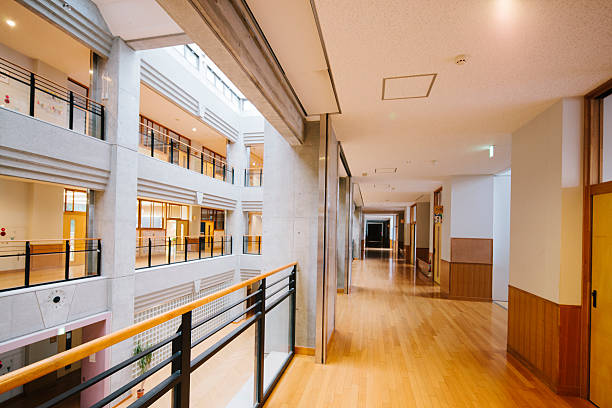
Choosing the right flooring for schools and universities is a critical decision that affects not only the safety and comfort of students and staff but also the overall atmosphere and functionality of the facility. Educational environments face unique challenges such as heavy foot traffic, noise levels, safety requirements, and the need for easy maintenance all while staying within budget.
If you are wondering what flooring works best in schools and universities, this comprehensive guide will help you explore durable, practical, and attractive flooring options tailored to the needs of educational settings. We will also discuss important factors such as noise reduction, safety standards, maintenance, cost-effectiveness, and aesthetic appeal.
Understanding the Unique Flooring Needs of Educational Institutions
Schools and universities operate with a constant flow of people moving through hallways, classrooms, cafeterias, gyms, and libraries. These high-traffic areas demand flooring materials that are resilient and long-lasting. At the same time, noise control is vital in educational settings to create calm, focused environments for learning and teaching.
Safety is paramount in schools. Flooring must meet slip resistance and impact absorption standards to minimize accidents. Administrators must also consider cost-effectiveness because flooring budgets are often tight and must cover not only installation but ongoing maintenance and potential repairs.
Finally, the appearance of flooring should complement the educational environment by enhancing its aesthetic appeal. Flooring can play a significant role in fostering a welcoming and inspiring space that supports learning and reflects the institution’s identity. A local flooring company can provide personalized design options and expert installation, ensuring the flooring not only meets functional requirements but also enhances the overall atmosphere of the educational setting.
What Flooring Works Best in Schools and Universities?
Selecting flooring for educational institutions means choosing materials that balance durability, comfort, safety, noise control, and budget. Here are some of the most effective flooring options for schools and universities:
Durable Hard Flooring for High-Traffic Areas
Corridors, entrances, cafeterias, and other high-traffic zones need tough flooring that withstands constant wear. Commercial-grade vinyl and linoleum are excellent choices here. Both materials resist stains, scratches, and scuffs and are easy to clean, which is essential for maintaining hygiene in busy environments.
Vinyl flooring offers a wide variety of styles and colours to suit any design preference. Linoleum, made from natural, renewable resources, adds an eco-friendly option that also provides antimicrobial properties helping schools promote healthier spaces.
Soft Flooring for Comfort and Safety
In classrooms, libraries, and recreational areas, comfort and safety take priority. Flooring such as rubber and carpet tiles provide cushioned surfaces that reduce fatigue and the risk of injury from slips or falls. Rubber flooring is especially durable and slip-resistant, making it suitable for hallways and play areas. Carpet tiles flooring help absorb sound and reduce noise levels, contributing to quieter and more focused learning spaces.
Eco-Friendly Flooring Choices
More schools are adopting sustainable practices, and flooring plays an important role. Linoleum is a prime eco-friendly option because it is made from natural ingredients and is biodegradable. Its durability and low-maintenance nature make it an excellent choice for classrooms, offices, and hallways, where sustainability and hygiene are important.
Flooring for Specialized Spaces
Certain educational spaces have specific flooring needs. For example, gymnasiums require flooring that provides shock absorption and safety rubber flooring is an ideal fit. Science labs and art rooms may encounter chemical spills, so flooring options like sheet vinyl or sealed concrete are preferred for their resistance to chemicals and ease of cleaning.
Noise Reduction: Creating a Calm and Focused Learning Environment
Noise is a major concern in schools and universities, where many people move and talk at once. Excessive noise can disrupt teaching and make it hard for students to concentrate. Flooring can significantly impact the acoustics of a space.
Carpet tiles and rubber flooring are among the best at reducing noise by absorbing sound and minimising echoes. Even hard surfaces like vinyl can contribute to noise control when installed with acoustic underlays. By choosing the right flooring, educational institutions can create quieter environments that support effective learning.
Easy Maintenance for Busy Facilities
Schools and universities require flooring that is easy to clean and maintain because cleanliness affects both safety and appearance. Vinyl and linoleum are well-suited for this because they resist stains and can be cleaned quickly with basic sweeping and mopping.
Carpet tiles need regular vacuuming and occasional deep cleaning but offer the advantage of replacing individual damaged tiles instead of the entire floor. Rubber flooring can be maintained with water and mild detergent, making it a practical choice for areas where hygiene is a priority.
Choosing flooring that reduces maintenance time and costs helps facilities run smoothly while maintaining a professional and safe appearance.
Meeting Safety Standards in Educational Flooring
Safety standards are non-negotiable when selecting flooring for educational institutions. Floors must provide adequate slip resistance to prevent falls, especially in areas prone to spills or moisture like cafeterias, gyms, and entrances.
Rubber flooring excels in safety due to its slip-resistant surface and shock absorption. Vinyl flooring products often include safety features such as anti-slip coatings and meet fire safety regulations. Carpet tiles add cushioning, which helps soften falls and reduce injury.
Ensuring that flooring complies with local safety codes is essential for protecting everyone on campus and minimizing liability.
Cost-Effectiveness: Balancing Budget and Quality
Budget constraints are a reality for most schools and universities, so it is important to choose flooring that offers the best value over time. While cheaper options may save money upfront, durable flooring that requires less frequent repair or replacement will be more cost-effective in the long run.
Vinyl and linoleum typically offer a great balance of initial affordability, durability, and low maintenance. Carpet tiles provide a budget-conscious solution for areas where noise reduction is important, as damaged tiles can be swapped out individually.
Facilities managers should consider installation costs, expected lifespan, and maintenance requirements when selecting flooring to ensure the best return on investment.
Conclusion
Choosing the right flooring for schools and universities means considering many factors: durability, noise reduction, safety, maintenance, cost, and aesthetics. No single flooring type fits every space, but by understanding the unique demands of each area, educational facilities can select flooring that meets their specific needs.
From tough and easy-to-maintain vinyl in busy corridors to soft, noise-reducing carpet tiles in classrooms, and eco-friendly linoleum for sustainable spaces, the options are diverse. Safety-focused rubber flooring enhances gyms and play areas, while customisable options allow schools to express their identity.
If you want flooring solutions designed specifically for educational settings, contact QC Commercial Flooring today. Our expert team can help you find the perfect balance of durability, safety, style, and budget to enhance your institution.
Frequently Asked Questions
What flooring is best for classrooms with heavy foot traffic?
Vinyl and linoleum are great choices for high-traffic classrooms because they are durable and easy to maintain. Rubber flooring is also suitable when additional cushioning and slip resistance are needed.
How can schools reduce noise through flooring?
Carpet tiles and rubber flooring are excellent at absorbing sound and reducing echoes. Acoustic underlays beneath vinyl floors can also help manage noise levels.
Are there eco-friendly flooring options for schools?
Yes, linoleum is a natural and sustainable flooring option made from renewable materials. It is durable, easy to clean, and has antimicrobial properties.
How often should school flooring be replaced?
The replacement schedule depends on the flooring material and usage. Vinyl and rubber floors typically last between 10 and 20 years with proper maintenance. Carpet tiles may require more frequent replacement in heavily used areas.