What to Look for When Choosing Carpet Suppliers in Luton
September 1, 2026
The Complete Guide to Maintaining Commercial Carpet Tiles for Long-Term Performance
September 28, 2026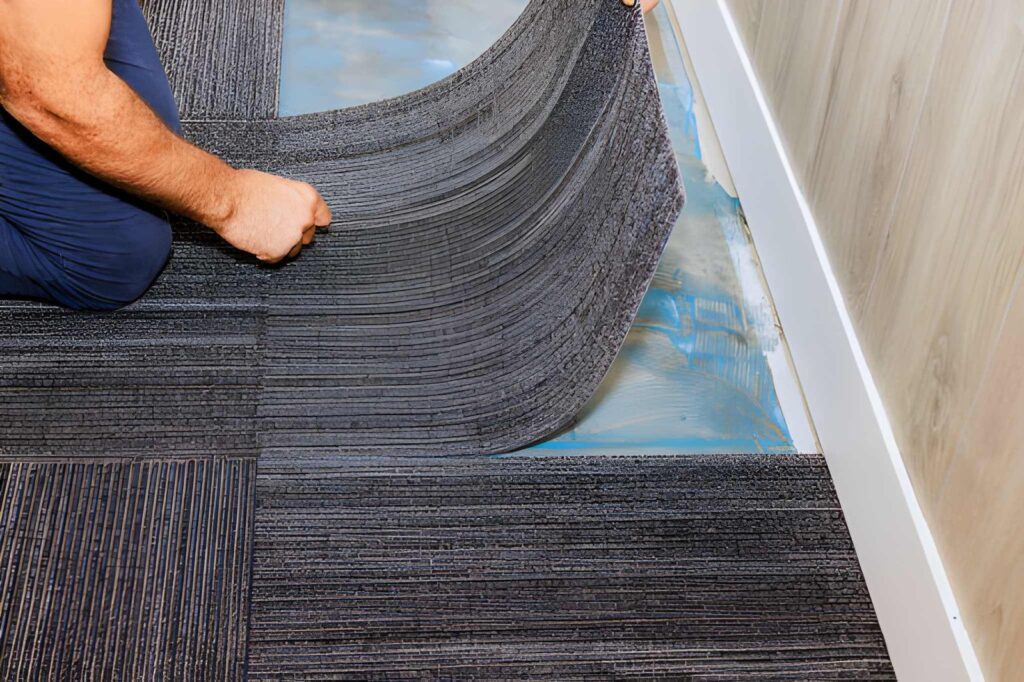
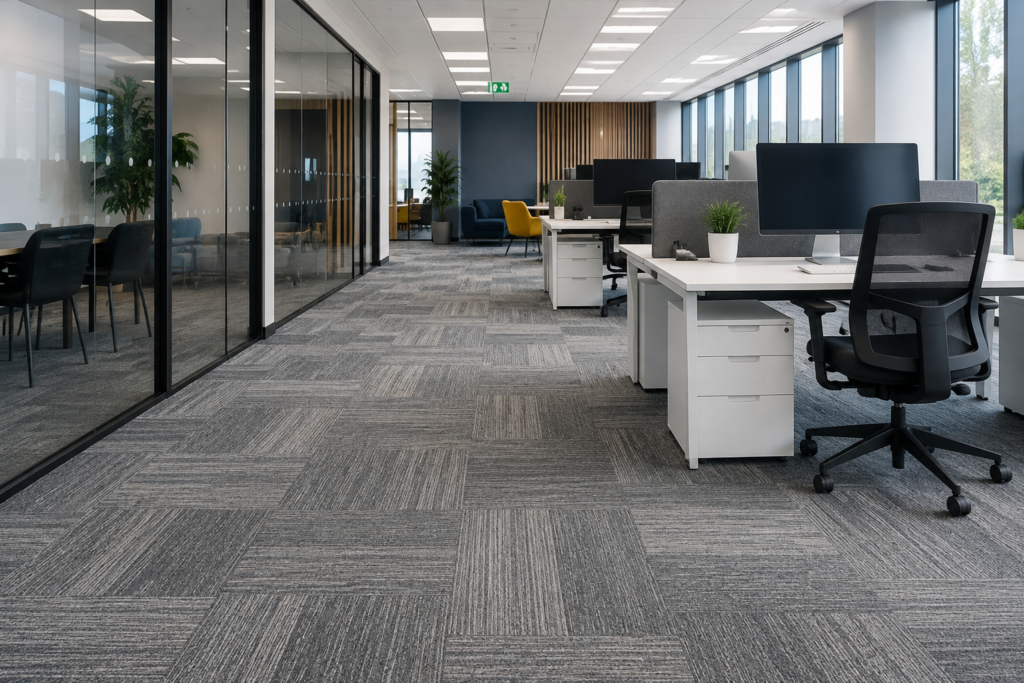
A busy office needs flooring that can handle daily use and still look smart. Carpet tiles are a practical option for many workplaces. They are easy to arrange, clean, and replace in small areas. For businesses comparing carpet shops milton keynes, it is useful to look beyond colour and price. The right tiles should match foot traffic, office furniture, cleaning needs, and the way each room is used.
This guide explains how to choose durable carpet tiles for an office in Milton Keynes. It covers fibre, construction, traffic levels, design, maintenance, installation, and long-term use. It also explains what to check before ordering.
Why Carpet Tiles Work Well in Offices
Office floors face steady wear. People walk between desks, meeting rooms, kitchens, and entrances all day. Chairs also move across the same spots many times. Dirt and moisture can enter near doors and spread across the floor.
Carpet tiles can suit this setting because they come in separate sections. If one area becomes badly stained or damaged, that tile may be replaced without changing the whole floor. This can make local repairs simpler.
They also offer design freedom. Tiles can be laid in different directions or patterns. Some offices use colour changes to mark work zones. Others choose one calm design across the whole floor.
Before choosing a product, think about these points:
- How many people use the space each day?
- Which areas get the most foot traffic?
- Will office chairs move over the tiles?
- Are food and drinks used near the floor?
- How often will the floor be cleaned?
- Could the office layout change later?
A good choice starts with how the floor will be used. The best-looking tile is not always the best fit for a busy workplace.
Check the Traffic Level First
Not every part of an office gets the same use. A private office may have light traffic. A reception area may have people coming and going all day. Corridors can also receive heavy and repeated use.
For this reason, it is helpful to divide the building into traffic zones. This makes it easier to choose a suitable product for each space.
High-use areas may include:
- Entrances and reception desks
- Main corridors
- Open-plan work areas
- Shared printer areas
- Kitchen and break spaces
- Meeting rooms used by staff and visitors
Lower-use rooms may have different needs. A single product can still be used throughout the office. However, its specification should suit the busiest areas.
When checking products, look for their commercial classification and intended use. Ask whether the tile is made for the level of traffic expected in your office. This simple check can prevent a poor match.
Look at Fibre and Tile Construction
The fibre and construction of a carpet tile affect how it feels and how it performs. Commercial tiles come in several fibre types and pile constructions. Each has different qualities.
Some products focus on strong wear resistance. Others may offer a softer feel or a certain design effect. The right choice depends on the room and the demands placed on the floor.
Businesses can compare commercial carpet tile options through carpet shops milton keynes. This can be useful when looking at products for office use.
When reviewing a specification, check:
- Fibre type
- Pile construction
- Backing type
- Wear rating
- Stain resistance
- Colour fastness
- Cleaning guidance
- Suitability for office chairs
- Warranty terms
Do not judge a tile from a small sample alone. A sample shows colour and texture. It does not show everything about performance. The technical specification is just as important.
Think About Office Chairs and Furniture
Desk chairs can create repeated wear. Wheels move back and forth over a small area for many hours. Heavy furniture can also place pressure on the floor.
If carpet tiles will sit below desks, check that the product is suitable for castor chair traffic. The manufacturer should provide clear guidance.
Furniture can also affect future repairs. A damaged tile under a cabinet may be harder to reach than one in an open area. Good planning can make later maintenance easier.
Before installation, consider:
- Where desks will sit
- Where chairs will move most
- Which areas hold heavy storage
- Whether furniture will be moved often
- Whether spare tiles can be stored safely
Keeping a few spare tiles from the original installation can be useful. Colour and texture can vary between production batches. An older tile may also be discontinued later.
Choose a Design That Fits the Office
Durability should lead the decision, but appearance still matters. Office flooring can affect how a room feels. It can also work with walls, furniture, lighting, and other finishes.
A quiet pattern can hide small marks in a busy area. Stronger patterns may help define zones in an open-plan office. Neutral shades can provide a simple background for furniture and signage.
When choosing a design, think about the full space rather than one sample.
Useful design checks include:
- Wall and furniture colours
- Natural light levels
- Artificial lighting
- Reception and visitor areas
- Open-plan zones
- Meeting rooms
- Existing brand colours
- Future changes to the office
Flooring can support the look of a workplace without becoming the main focus. If brand identity matters, it is useful to consider how the floor works with the wider visual scheme.
Plan for Cleaning and Daily Care
Durable flooring still needs regular care. Dirt can work into carpet fibres over time. Spills can also leave marks if they are not treated quickly.
The cleaning plan should match the product. Always follow the manufacturer’s care instructions. Using the wrong method can affect the carpet. It may also affect warranty cover.
A simple office cleaning routine can include:
- Vacuum busy areas on a regular schedule.
- Treat spills as soon as possible.
- Pay extra attention to entrances.
- Check high-use areas for wear.
- Arrange deeper cleaning when needed.
- Replace tiles that cannot be restored.
Entrance areas may need more frequent attention than private rooms. Mats can also help reduce the amount of dirt brought inside.
Consider Installation Before You Order
The condition of the subfloor can affect the final result. A floor that is uneven, damp, or poorly prepared may cause problems after installation.
The office itself also needs planning. Furniture may need to be moved. Some businesses may need to keep parts of the office open during the work. In those cases, installation may be completed in stages.
If you are searching for commercial flooring near me, remember that the product is only part of the decision. Installation planning, site access, subfloor preparation, and aftercare also matter.
Before work starts, ask about:
- Subfloor checks
- Floor preparation
- Furniture movement
- Installation times
- Phased work options
- Fixing requirements
- Access to rooms during installation
- Cleaning after installation
A clear plan can reduce disruption. It can also help the finished floor look even.
Compare More Than the Price
Price is important, but it should not be the only measure. Two carpet tiles can look similar while having very different specifications.
A cheaper option may not provide the wear performance needed in a busy office. A more expensive product may offer features that are not needed in a low-use room. Comparing the full specification gives a better basis for a decision.
| Factor | What to check | Why it matters |
| Traffic | Intended use and rating | Matches the tile to daily demand |
| Fibre | Fibre type and pile | Affects wear and appearance |
| Backing | Commercial backing | Supports stability and installation |
| Cleaning | Care requirements | Helps plan routine maintenance |
| Design | Colour and pattern | Supports the office interior |
| Chairs | Castor suitability | Helps manage repeated movement |
| Replacement | Spare tile availability | Makes local repairs easier |
| Warranty | Terms and conditions | Sets clear expectations |
This comparison can help narrow down suitable options. It also gives businesses useful questions to ask before ordering.
Think About Future Office Changes
Modern offices often change. Teams grow. Desks move. Meeting rooms become work areas. A flooring choice should allow for these changes where possible.
The modular nature of carpet tiles can be useful here. Individual sections can be lifted and replaced when required. Tiles can also be arranged to create zones within a larger room.
However, future flexibility depends on product availability. Record the product name, colour, batch, and installation pattern after the floor is fitted.
Keep these details with your building records:
- Product reference
- Colour name or code
- Installation date
- Supplier information
- Cleaning instructions
- Warranty details
- Number of spare tiles
These records can save time when repairs are needed later.
Flooring for Different Office Areas
Open-plan offices often contain several functions in one room. Staff may work at desks, hold meetings, take breaks, and have informal discussions in the same space.
Carpet tiles can help create visual boundaries without building walls. A change in colour or tile direction can make one zone feel different from another.
For example:
- A quieter shade can suit desk areas.
- A stronger pattern can mark a meeting zone.
- A darker tone can work near entrances.
- A different tile direction can create a visual path.
- A simple design can suit private offices.
The changes should still feel connected. Too many colours or patterns can make a workplace feel busy.
Questions to Ask Carpet Flooring Suppliers
Businesses comparing carpet stores milton keynes should ask practical questions before choosing a product. A useful supplier discussion should cover more than colour and price.
Ask about the product’s intended use, traffic rating, fibre, backing, cleaning needs, and suitability for office furniture. It is also worth asking how replacement tiles can be ordered later.
Key questions include:
- Is the tile designed for commercial office use?
- What traffic level is it rated for?
- Is it suitable for castor chairs?
- What cleaning method is recommended?
- What does the warranty cover?
- Are spare tiles available?
- How should the subfloor be prepared?
- How long will installation take?
- Can the work be completed in stages?
Clear answers make it easier to compare different products on a like-for-like basis.
Making the Final Choice
Once you have reviewed the main options, focus on the needs of the actual office. A product should suit the busiest area. It should also fit the design and maintenance plan.
Do not choose only because a tile has a popular colour or a low price. Look at how it will perform over time.
A final checklist can help:
- Confirm the traffic level.
- Check the commercial specification.
- Review fibre and backing.
- Confirm castor chair suitability.
- Check cleaning requirements.
- Consider the office design.
- Review installation needs.
- Ask about spare tiles.
- Read warranty conditions.
- Keep product records after installation.
For businesses reviewing carpet shops milton keynes, this approach can make the search more focused. It shifts attention from appearance alone to the full needs of the workplace.
Conclusion
Durable office carpet tiles should balance wear resistance, comfort, design, cleaning, and future flexibility. Start by checking traffic levels and product specifications. Then consider fibre, backing, castor chair use, maintenance, and installation needs. Modular tiles can also make local repairs easier when damage occurs.
Businesses should compare full specifications rather than price alone. By reviewing these factors before ordering, office managers can choose flooring that suits daily work, supports the interior, and remains practical as the workplace changes.
Contact us for more info.
Frequently Asked Questions
Are carpet tiles a good choice for offices?
Yes. Commercial carpet tiles can suit many offices because they are modular, practical, and available in many designs. The product should still match the level of traffic and workplace use.
What should I check when choosing office carpet tiles?
Check the traffic rating, fibre, pile construction, backing, cleaning needs, castor chair suitability, warranty, and replacement options. These details give a better guide than appearance alone.
Can one carpet tile be replaced without replacing the whole floor?
Often, yes. One benefit of modular tiles is that individual sections can be removed when they are damaged or badly stained. Matching spare tiles can make this process easier.
Are carpet tiles suitable for areas with office chairs?
Some commercial carpet tiles are designed for castor chair use. Always check the manufacturer’s product specification before choosing tiles for workstation areas.
How can office carpet tiles be kept clean?
Regular vacuuming, quick spill treatment, and suitable periodic cleaning can help maintain carpet tiles. The exact cleaning method should follow the manufacturer’s instructions.
Should office carpet tiles be chosen based on cost?
Cost matters, but it should not be the only factor. A suitable choice should also consider durability, maintenance, installation, design, warranty terms, and future replacement needs.