Commercial Flooring: A Comprehensive Guide to Choosing the Right Solution
December 12, 2024
The Importance of Choosing the Right Flooring for Your Business
January 24, 2025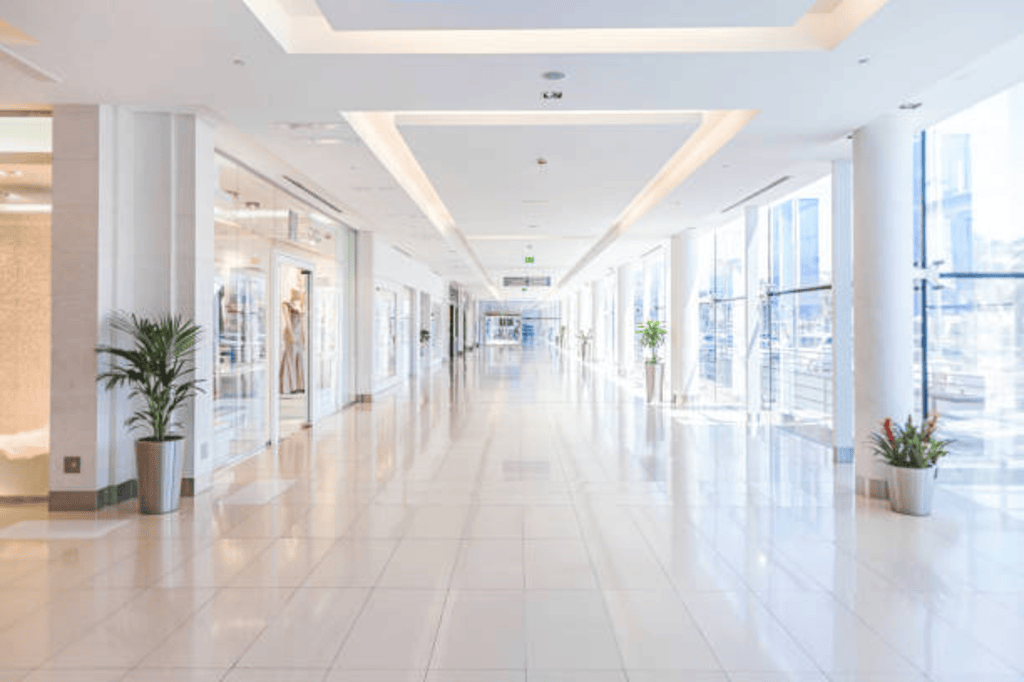
When it comes to creating a comfortable and productive workspace, many business owners focus on furniture, lighting, and layout. However, one of the most overlooked elements is commercial flooring. The right flooring can have a significant impact on employee health, comfort, and overall well-being. From reducing fatigue to preventing injuries, choosing the right flooring is crucial for fostering a safe and productive environment.
1. Reducing Foot and Leg Fatigue
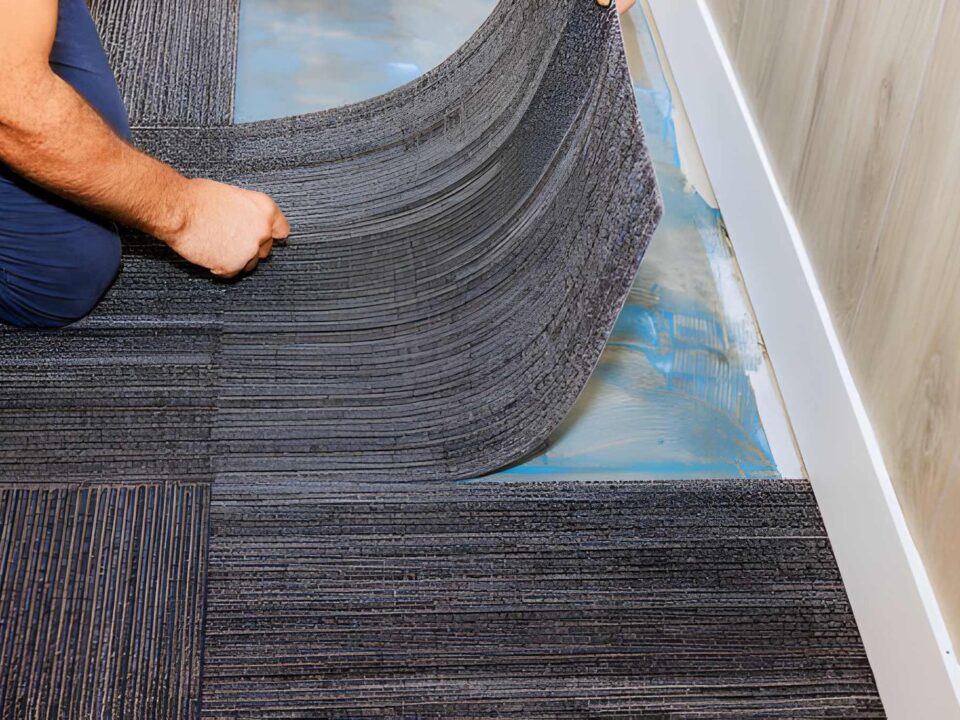
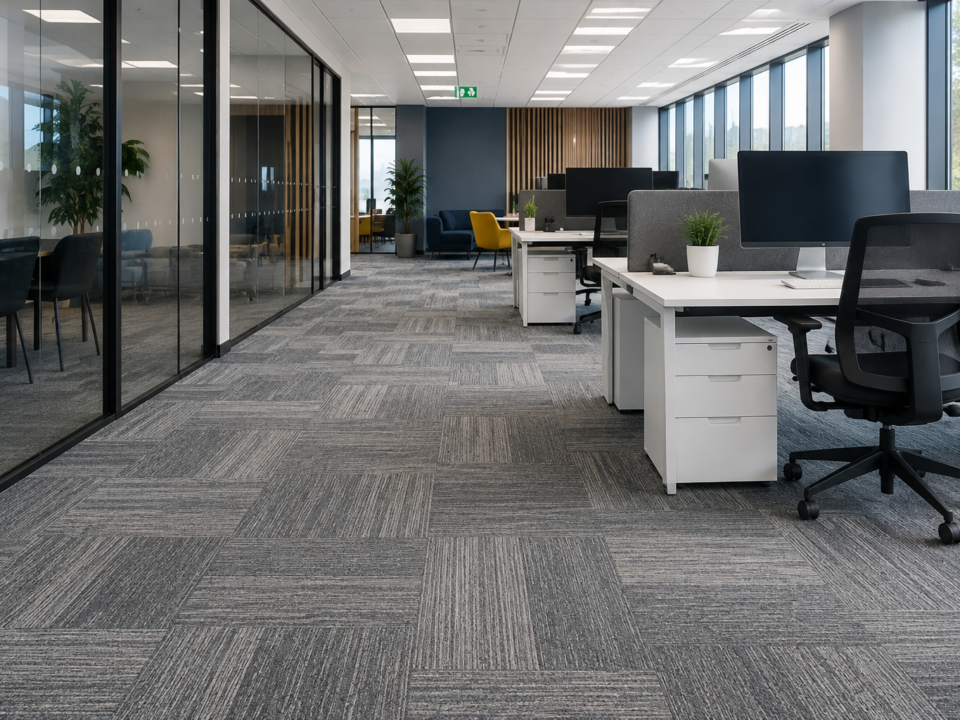
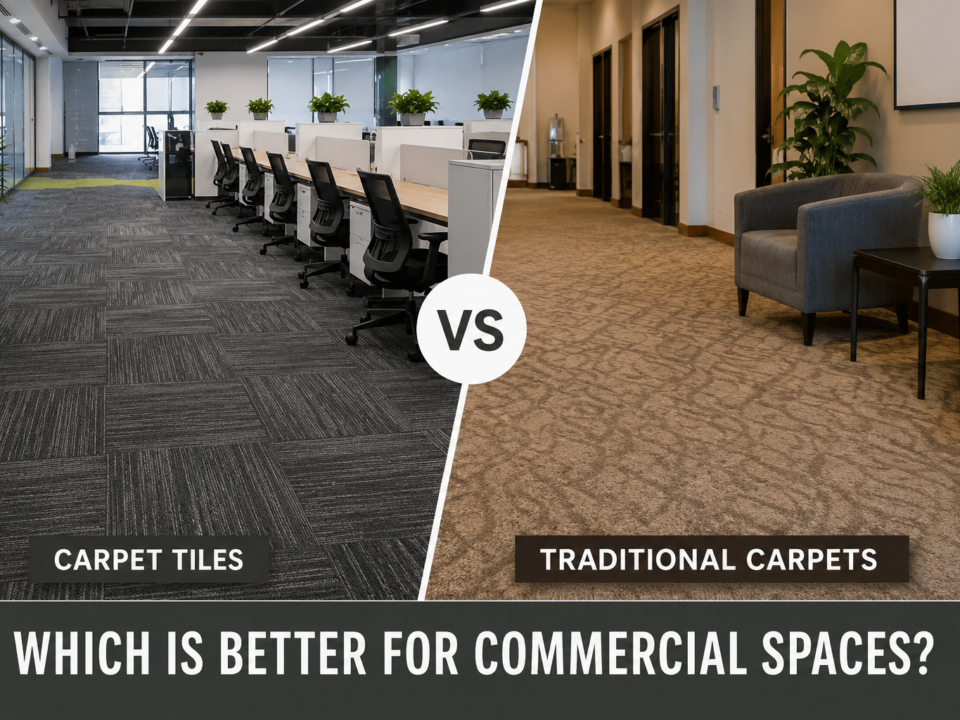
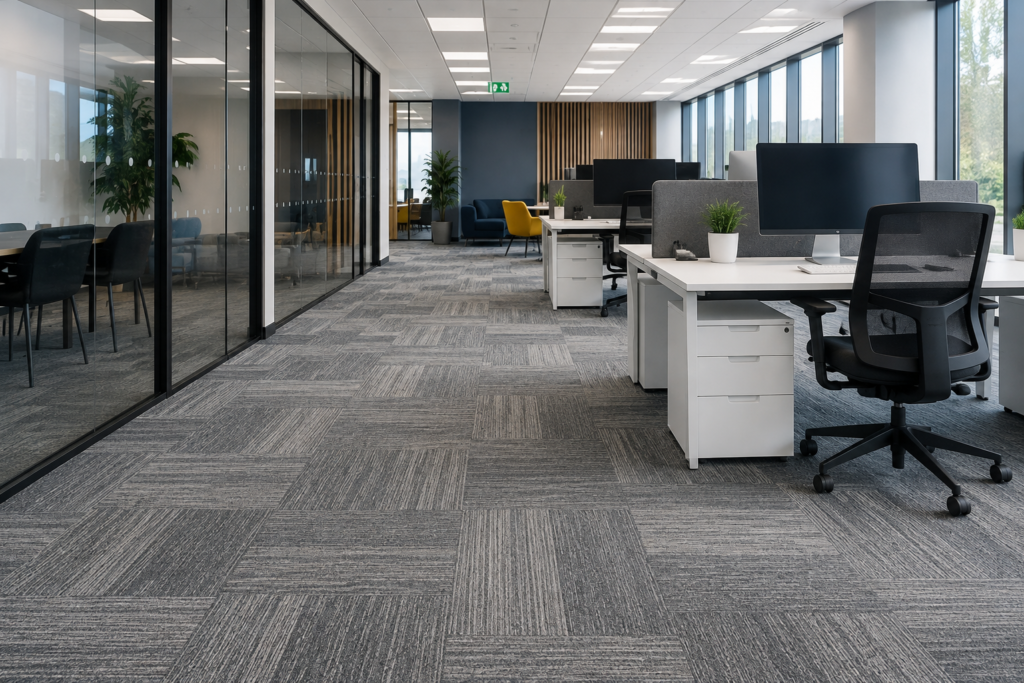
Employees who are on their feet for long periods of time—whether working in retail, healthcare, or industrial settings—are at risk for foot and leg fatigue. Hard floors, like concrete or tile, can exacerbate these issues by providing little cushion and support. Opting for softer, more supportive flooring materials, such as carpet tiles, cork, or rubber, can help reduce the strain on employees’ feet, legs, and lower back. These materials offer cushioning that absorbs shock, which can make a significant difference in comfort throughout the workday.
For businesses focused on comfort and support, QC Commercial Flooring offers a wide range of flooring solutions designed with employee well-being in mind.
2. Enhancing Safety and Reducing Injuries
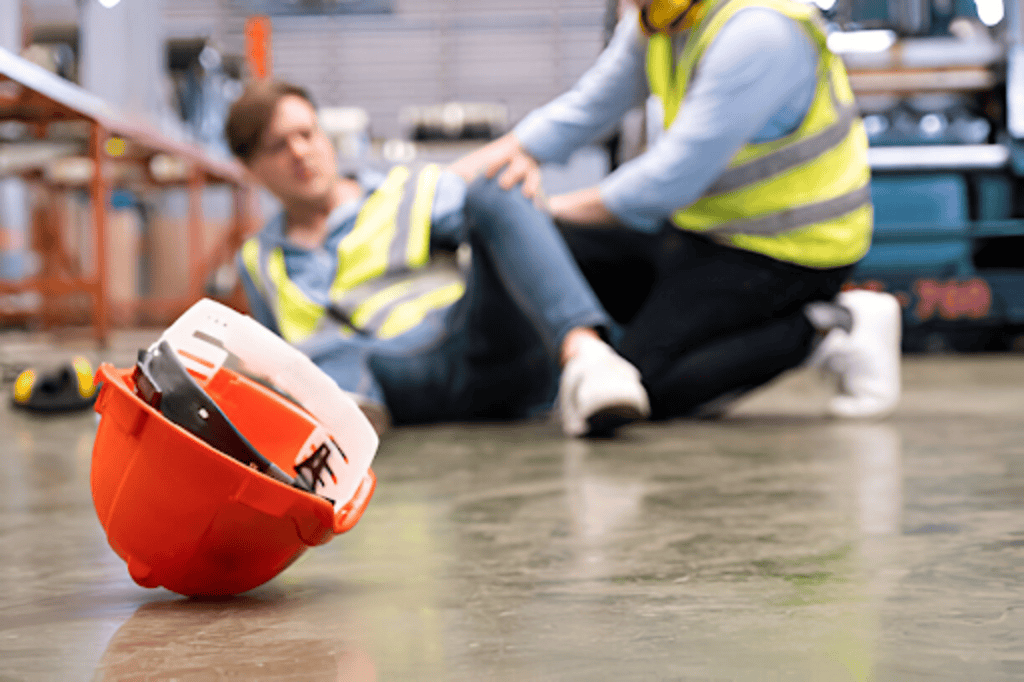
Workplace injuries, such as slips, trips, and falls, are a common concern for businesses. Flooring plays a key role in reducing these risks. Non-slip surfaces are essential in areas that are prone to moisture, such as kitchens, bathrooms, or medical facilities. Anti-slip vinyl, rubber, and textured tiles can provide excellent traction, helping to prevent accidents. Additionally, softer flooring options like rubber or carpet can reduce the severity of injuries if falls do occur.
To learn more about how the right flooring can enhance safety in the workplace, visit QC Commercial Flooring’s Health and Safety page.
3. Improving Indoor Air Quality
The quality of air in your office or commercial space can be influenced by the materials you choose for your flooring. Many traditional flooring options, such as vinyl or laminate, can release harmful chemicals and volatile organic compounds (VOCs) into the air. Over time, exposure to these substances can affect the respiratory health of employees.
Opting for low-VOC or non-toxic flooring materials—like natural linoleum, cork, or bamboo—can improve indoor air quality and create a healthier work environment. These eco-friendly flooring options contribute to better air circulation and fewer allergens, which can enhance employee well-being.
4. Promoting Acoustic Comfort
Noise levels in the workplace can impact productivity and stress levels. Commercial spaces with hard floors—such as tile or polished concrete—can amplify sound, making the environment feel loud and chaotic. This can contribute to increased stress and a decrease in productivity.
Flooring materials like carpet tiles or cork are excellent at absorbing sound, helping to create a quieter, more comfortable workspace. These materials are particularly beneficial in open-plan offices or areas with high foot traffic, where excessive noise can be distracting.
5. Temperature Control and Comfort
Temperature control is another factor that impacts employee comfort and productivity. Hard flooring materials, such as concrete or tile, can make an office feel cold and uncomfortable in cooler weather. On the other hand, softer flooring options like carpet and cork provide better insulation, helping to maintain a more comfortable temperature in the office. This can make a significant difference, particularly in spaces with large windows or poor climate control.
For businesses looking to enhance their office environment, it’s essential to consider the temperature-regulating properties of flooring.
FAQs About How Commercial Flooring Impacts Employee Health and Well-being
How does flooring affect employee comfort?
Flooring materials like carpet or rubber can offer better cushioning, reducing foot and leg fatigue for employees who stand for long periods. This can improve comfort and overall well-being during the workday.
Can flooring help reduce workplace injuries?
Yes! Non-slip flooring options, such as rubber or textured tiles, can reduce the risk of slips, trips, and falls. Soft flooring materials also reduce the impact of falls, minimizing injury severity.
What are the best flooring options for improving indoor air quality?
Low-VOC and non-toxic materials, such as bamboo, cork, and natural linoleum, are ideal for improving air quality. These eco-friendly flooring options are less likely to release harmful chemicals that can negatively impact respiratory health.
How does flooring affect workplace noise levels?
Hard flooring surfaces tend to amplify noise, making commercial spaces feel louder. Softer flooring options, like carpet tiles or cork, absorb sound and create a quieter, more comfortable environment.
Can flooring help with temperature control in the office?
Yes! Soft flooring options, like carpet and cork, offer better insulation, helping to regulate the temperature in your office and improve employee comfort, especially in cooler months.
Choosing the right commercial flooring is an investment in the health, safety, and comfort of your employees. By considering factors like comfort, safety, air quality, acoustics, and temperature control, you can create a work environment that promotes productivity and well-being. For expert advice on choosing the best flooring solutions for your business, contact QC Commercial Flooring.